Anderson / Separator Vessels / Centrifugal Separators / Centrifugal Line Separators
Anderson Centrifugal Line Separators
LC · LCF · LCR · LCC · LCCR · LS · LUS
Anderson Centrifugal Line Separators are inline mechanical separators that remove entrained liquids, moisture and particulates from air, gas, steam or vapor pipelines using centrifugal force. Except for the LCC and LCCR Series, they operate without filters, cartridges or moving parts, making them a low-maintenance solution for keeping process streams clean and dry.
Opens on the line separator family. Drag to orbit, scroll to zoom. Cutaway and colour key isolate parts; Play walkthrough steps the principle of operation.
LIVE 3D SECTION
Designed for
Centrifugal Line Separators are designed to protect gas, steam, air and vapor systems from damage caused by entrained liquids and solids. They help reduce compressor and turbine blade erosion, valve and regulator damage, corrosion, contamination, poor heat-transfer efficiency, water hammer and equipment failure.
They are especially suited for systems that require clean, dry flow with minimal pressure drop and continuous operation.
Product configurations
-
LC / LCF / LCR Series. Standard centrifugal line separators for smaller line sizes, providing vertical downflow separation.
-
LCC / LCCR Series. High-efficiency centrifugal line separators designed for higher-purity gas and steam applications. These larger models use a side-in/side-out configuration with an inlet filter element to improve performance.
-
LS / LUS Series. Line-type centrifugal separators for larger applications, available in vertical or horizontal configurations with multiple nozzle options. These ASME Code vessels are available in larger sizes and do not include an inlet filter element.
Key points of differentiation
-
Filter-free separation. Removes entrained liquids and solids mechanically without disposable filters or cartridges. The LCC and LCCR Series are the exception: they carry an inlet filter element.
-
Low maintenance. No moving parts, supporting long service life and low maintenance.
-
Energy efficiency. Low pressure drop compared with many filtration or coalescing alternatives.
-
Flexible integration. Multiple configurations support small lines through large industrial piping systems.
-
Superior efficiency. High-efficiency LCC/LCCR models can remove 99% of entrainment 3 microns and larger.
-
Code compliant construction. LS/LUS models are available as ASME Code vessels for larger, engineered applications.
Applications
Anderson Centrifugal Line Separators support a wide range of industrial applications by removing entrained moisture and solids before they can affect downstream equipment, process reliability or product quality. Typical applications include:
-
Steam lines for condensate removal
-
Air and gas distribution lines
-
Compressor suction and discharge lines
-
Intercoolers and aftercoolers
-
Heat exchangers
-
Pipeline moisture removal
-
Upstream of dryers, filters, eductors or analyzers
-
Ahead of pressure-reduction valves in steam systems
-
Any system requiring a clean, dry gas, vapor, steam or air stream
Principle of operation
Anderson Centrifugal Line Separators use three primary separation mechanisms.
-
Centrifugal force. Incoming gas, steam, air or vapor is forced into a cyclonic path. Denser liquid droplets and solid particles are driven outward toward the separator wall.
-
Impingement. Droplets and particles strike internal surfaces, causing smaller droplets to combine into larger droplets.
-
Gravity drainage. Separated liquids and solids run down the vessel walls into a drain area, while clean, dry gas or vapor continues downstream.
OPERATING ENVELOPE
Standard configurations
Up to 150 PSIG at 500°F
Or, by flange rating
Up to 300 PSIG at 500°F
LS / LUS
Can be designed for higher pressure and temperature
Service media
Air, gas, steam, vapor
EFFICIENCY
LC / LCF / LCR
99%+ removal, 10 microns and larger
LCC / LCCR
99% removal, 3 microns and larger
LS / LUS
99%+ removal, 10 microns and larger
SIZES
LC / LCF / LCR
1/4″–2″
LCC / LCCR
1/4″–2″
LS / LUS
2½″–12″
Larger sizes
Made to order
MATERIALS & CONNECTIONS
Materials
Carbon steel
Options
Stainless steel
LC Series
Threaded standard; socket weld, butt weld or flanged optional
LS / LUS Series
Flanged standard; butt weld by special order
ORIENTATION
LC / LCF / LCR
Vertical downflow
LCC / LCCR
Side-in / side-out
LS / LUS
Vertical or horizontal
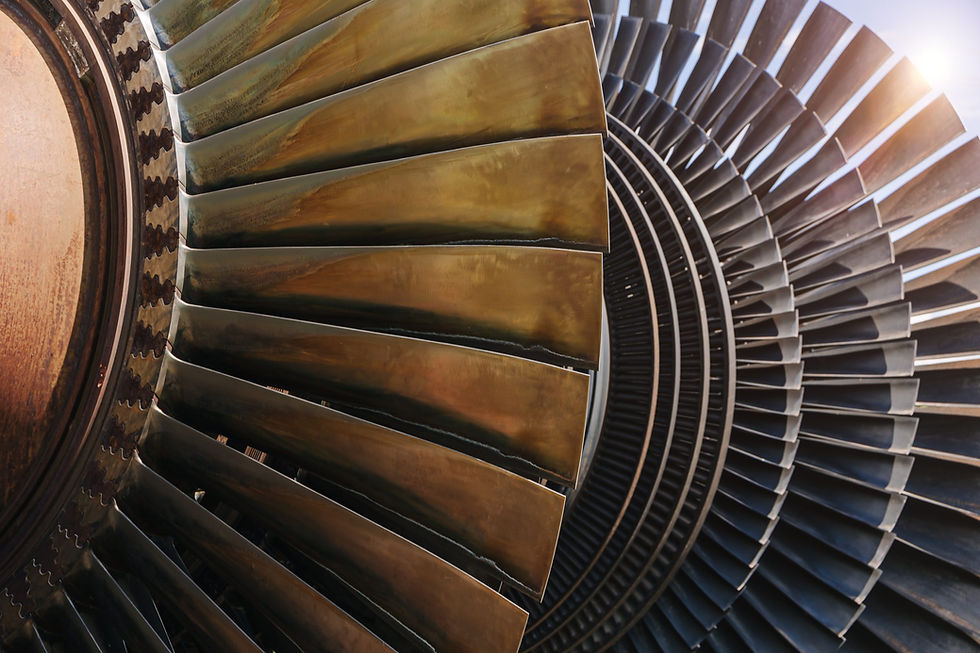
Used in processes that require clean, dry flow to protect downstream equipment
Common industries include power generation, refining & petrochemical, chemical & industrial processing and natural gas & gas processing, as well as industrial gases, utilities and manufacturing plants.
